
Most businesses don’t fail because they lack ideas. They fail because their systems can’t keep up with their growth.
What starts as a simple, functional process slowly becomes a web of manual fixes, duplicated tasks, and silent inefficiencies. Before long, you’re spending more time firefighting than scaling.
That’s where system mapping comes in not as another corporate buzzword, but as a practical tool for clarity, control, and sustainable growth.
What Is System Mapping, Really?
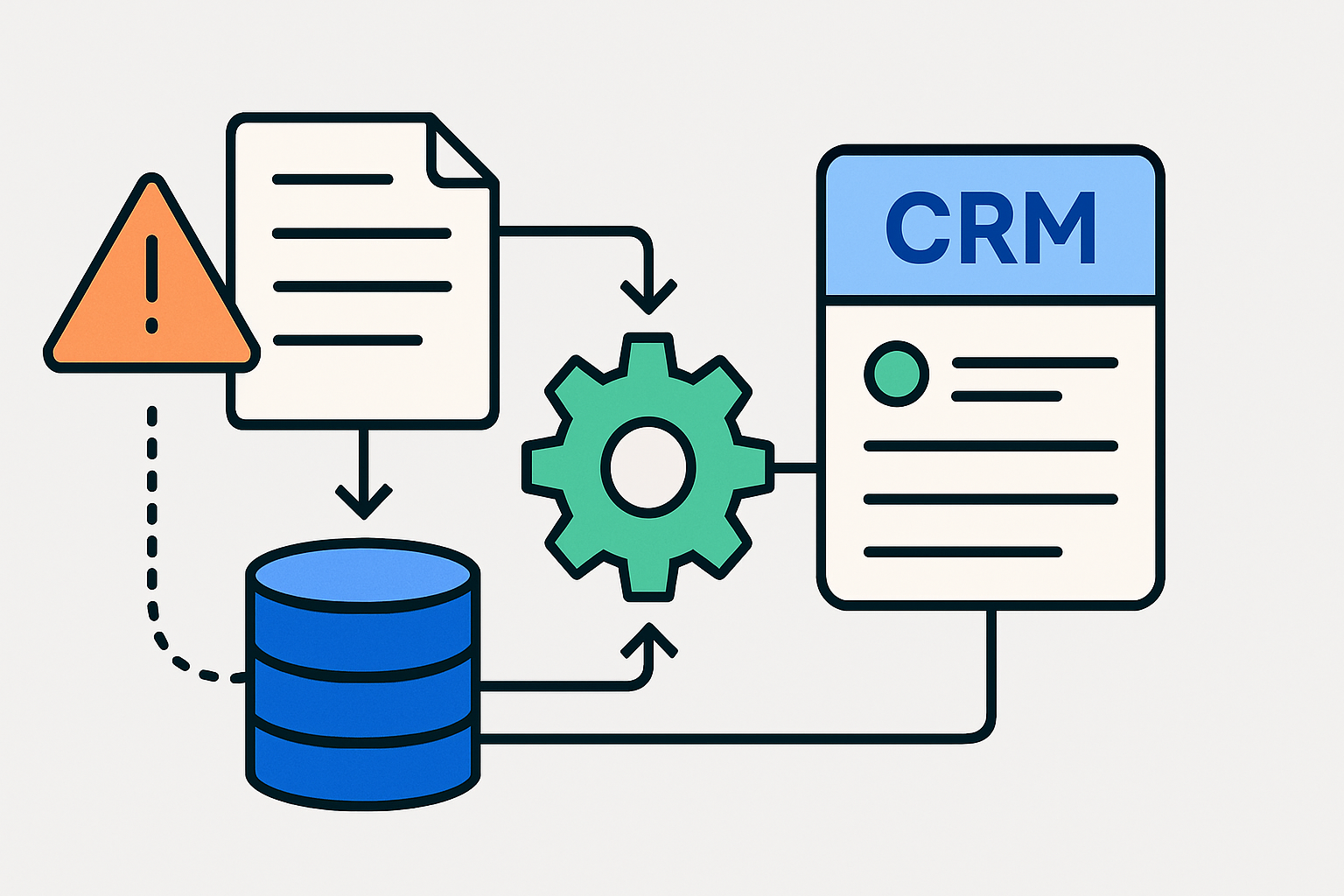
System mapping is the process of visually charting how your business operates how information, people, and tools interact from start to finish.
It’s not about making pretty diagrams. It’s about exposing where time, money, and effort are being wasted.
When done right, a system map shows you:
- Where data gets lost or duplicated
- Where approvals or sign-offs delay progress
- Where automations could replace manual work
- Where your team’s energy is misaligned with business priorities
It turns “I think this is the problem” into “Here’s exactly where the problem is.”
Why Most Businesses Miss the Bottlenecks
You can’t fix what you can’t see and most teams can’t see how their own processes actually flow.
Here’s what typically happens:
- Marketing runs ads that feed into a CRM that no one cleans.
- Operations manually update stock levels from multiple sources.
- Customer support answers the same questions because no FAQ or workflow exists.
- Finance teams chase missing invoices because data isn’t connected.
These are all symptoms of unstructured systems and they get worse as you grow.
At RKS Growth Strategy Solutions, we often find that businesses operating at 70–80% efficiency could scale revenue by 30% or more simply by tightening internal workflows.
The 3 Layers of an Effective System Map
A proper system map isn’t just one diagram it’s a layered view of how your business actually works.
Here’s how we break it down:
- The Strategic Layer – The ‘Why’
This layer identifies business objectives and core functions. It defines what success looks like revenue targets, conversion goals, fulfilment speed, customer satisfaction. - The Operational Layer – The ‘How’
This layer covers day-to-day processes: how leads are handled, how products move through the pipeline, how customers are onboarded, etc. - The Technical Layer – The ‘With What’
This final layer focuses on tools and integrations your CRM, email platform, ad manager, analytics dashboard, and automation systems. It’s where most inefficiencies hide.
Each layer feeds the next, forming a clear picture of how your business actually operates and more importantly, where it breaks.
The Common Bottlenecks That System Mapping Exposes
When you map a system properly, patterns emerge.
Here are some of the most common blockages we uncover:
- Manual Data Entry: Time lost copying and pasting between spreadsheets or tools.
- Lack of Integration: Platforms that don’t talk to each other create silos.
- Approval Clutter: Too many checkpoints slow down execution.
- Unclear Ownership: No one knows who owns a process so no one fixes it.
- Reactive Decision-Making: Data is reported, not acted upon.
By visualising how these processes actually move, you can often fix in a week what’s been costing you months.
Turning Mapping into Action
The real value of system mapping comes from what you do after you’ve mapped it.
Once you can see the flow, the next step is to simplify, automate, and align.
At RKS, we call this the 3A Framework:
- Audit: Identify friction points and measure their cost.
- Automate: Implement tools that remove repetitive, human-dependent steps.
- Align: Ensure every workflow supports business objectives, not just department KPIs.
This transformation moves your business from reactive to predictive a critical shift if you want to scale sustainably.
The Psychological Benefit: Control
There’s a quiet relief that comes when you can finally see your business on one page.
System mapping doesn’t just make your operations more efficient it restores clarity.
You stop guessing where issues lie. You stop making decisions based on anecdotes.
You start running your business like a system, not a series of emergencies.
And in the modern digital landscape, clarity is a competitive advantage.
Final Thought
Plugging holes might keep the ship afloat, but it won’t take you anywhere new. System mapping gives you the blueprint to scale without losing control, customers, or sanity.
If your business feels like it’s running on improvisation, it’s time to see the full picture.
Ready to uncover the bottlenecks slowing your growth?
Book a free 30-minute consultation at www.RKSGrowthStrategySolutions.com and let’s design the systems that power your next level.